This blog post reviews Salem Township’s financial position. The Township has some of the lowest tax rates in Southeast Michigan. Based on our review of the Township’s financial statements, the Township is well prepared for the shutdown of Arbor Hills and should not need to raise taxes when the landfill stops accepting trash.
Landfill Gas Royalties have steadily increased and now exceed the Township’s total expenses for normal government functions. These royalty revenues are no longer tied to the quantity and quality of the landfill gas; they are guaranteed at a fixed level for the foreseeable future, even after the landfill stops accepting trash.
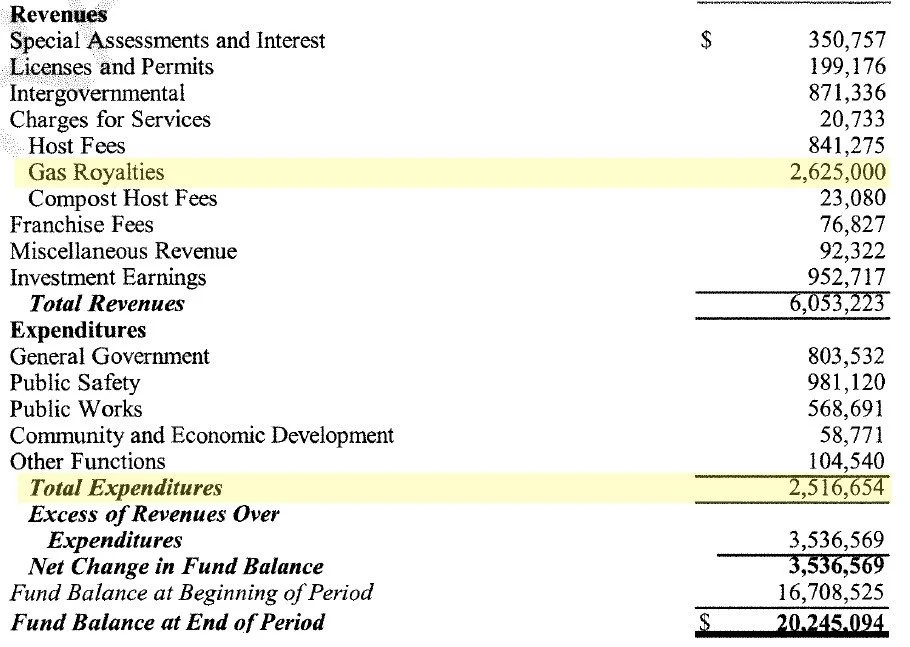
Fig 1 - Salem Township - Statement of Revenues, Expenditures, and Changes in Fund Balance, Year Ending March 31, 2025
Expenses have stayed steady
Salem Township's governmental fund expenses have been very steady over the last decade, at just over $2 million per year. The only exception was fiscal year 2020, when expenses temporarily increased due to the Chubb Road and Five Mile Road paving projects. These projects were funded by revenue from new tax assessment districts - not from township-wide taxes.
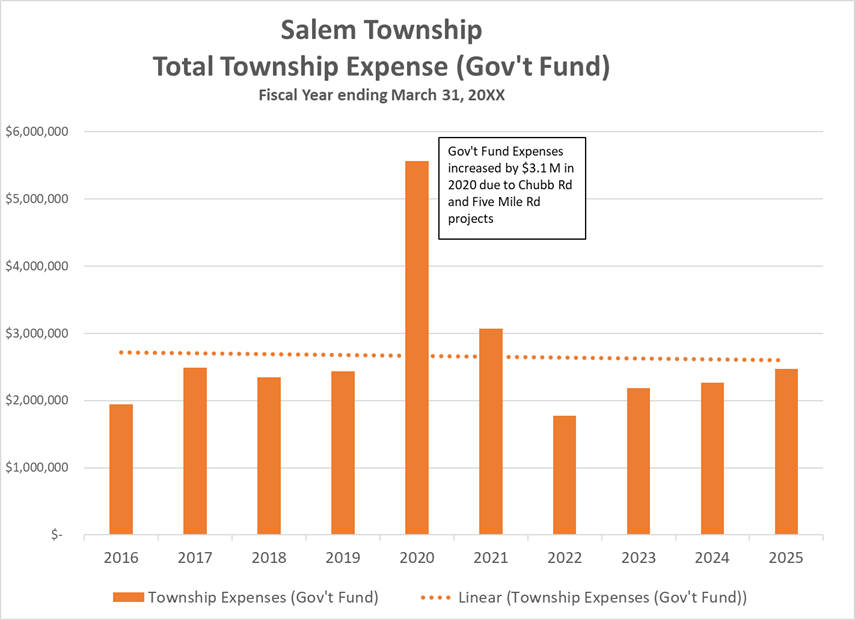
Figure 2 - Salem Township Total Expenses (Gov’t Activities)
Landfill revenue has increased sharply
Salem's revenue from the landfill rose from about $1.9 million in 2016 to about $3.5 million in 2025. These gains coincide with major changes at the landfill that increased the volume and value of the gas collected.
The increase resulted from landfill improvements required to resolve environmental violations cited by the U.S. Environmental Protection Agency and Michigan's Department of Environment, Great Lakes, and Energy (EGLE). In 2016, the USEPA required improvements to the landfill's gas capture and collection systems, increasing the volume of gas collected. A 2022 settlement with EGLE required the installation of a Renewable Natural Gas plant, which increased the value of the collected landfill gas by converting it into a higher-value energy product, thereby strengthening the royalty stream received by the Township.
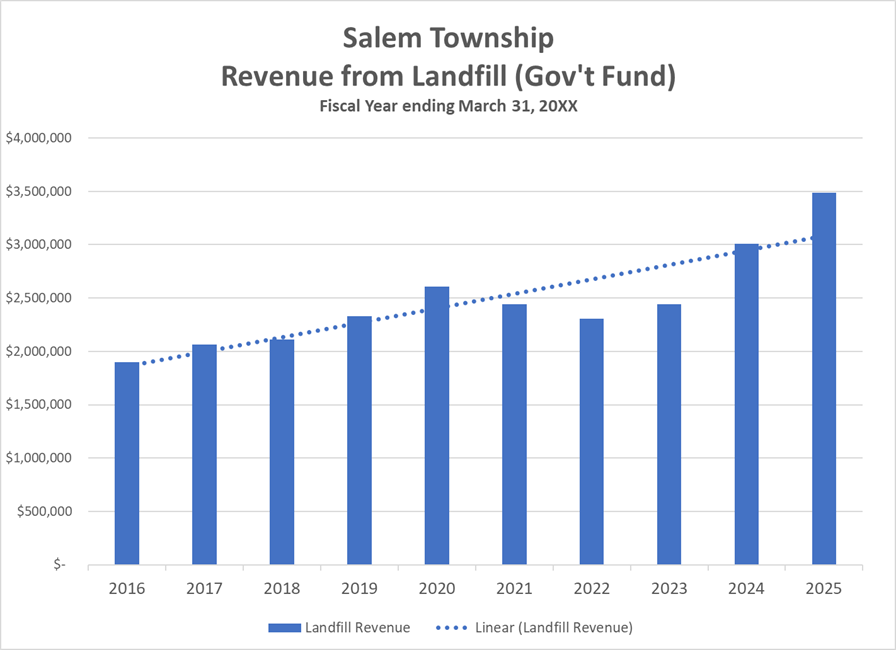
Figure 3 - Salem Township Gov’t Activities Revenues
The host agreement protects future revenue
When Arbor Hills closes its gate, the landfill gas volume will gradually decline, but will continue to be captured for decades. Under the host agreement negotiated in 2023, Gas Royalty payments are not tied to the volume collected. The royalty payments are expected to remain at 2025 levels (~$2.6 million) through at least 2038, when the host agreement may be renegotiated.
The rainy-day fund is exceptionally strong
Salem Township has done an excellent job of saving and investing excess revenues collected from Arbor Hills. The township's unassigned governmental funds can be considered a rainy-day fund. The unassigned governmental fund balance rose to over $20 million in 2025. The chart below shows that this balance has increased by more than $11 million since 2020, or almost $2 million per year.
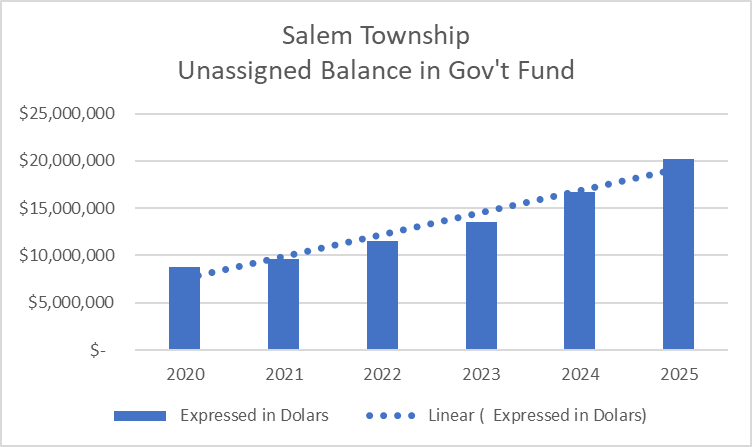
Figure 4 - Salem Township Gov’t Fund - Unassigned Funds (excess funds)
This is a significant financial cushion, or rainy-day fund. The unassigned funds are more than 800% of the township's operating expense. It should allow Salem Township room to manage revenue changes gradually without cutting services or increasing tax rates.
The forecast remains favorable after closure
Under the Host Agreement with Green for Life, Salem Township will continue to receive royalties for recovered landfill gas, and these payments are not tied to the volume or quality of the gas recovered. Landfill gas royalties are expected to remain at the current level of $2.6 million until 2038, when the Host Agreement can be renegotiated.
A model predicting Salem Township's future revenues and expenses indicates that revenues will continue to exceed expenses for the foreseeable future. The model projects future expenses using the average of 2023–2025 expenses plus 3% inflation. Landfill revenues are based on the Host Agreement, while other revenues are estimated as the average of 2023-2025. Future revenues are not adjusted upward for inflation.
The forecast model assumes the landfill will close in 2029 and that the landfill and compost host fees end when the landfill closes. It also assumes landfill gas royalties will continue at current levels after closure. This is the key reason closure does not create an immediate budget crisis.
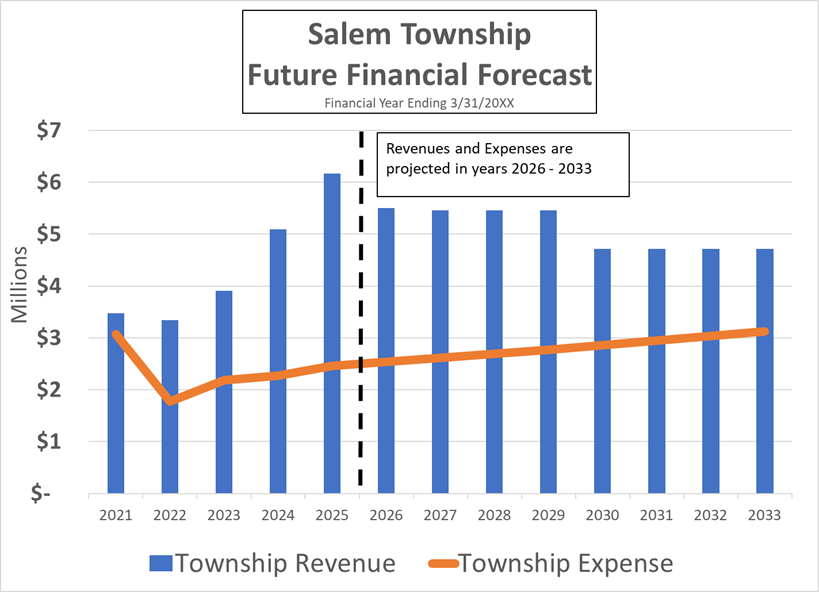
Figure 5 - Forecasted Financials for Salem Township
Even with those conservative assumptions, the projected revenue remains above the projected expenses for the foreseeable future. In short, Salem Township should remain financially sound after the landfill closes.
No tax increase is needed for the foreseeable future
The numbers support a straightforward conclusion: Salem Township should not need to raise taxes in the foreseeable future because of the Arbor Hills closure. Stable expenses, ongoing gas royalties, and more than $20 million in unassigned fund balance provide the Township with substantial financial protection.
Data Sources
The analysis presented was based on Salem Township's Annual Financial Reports and Salem Township's Host Agreement with the Arbor Hills Landfill. The analysis focuses on Salem Township's Governmental Fund. The Governmental Fund is used to account for typical government activities such as general government, police and fire protection, roads, community and economic development, and culture and recreation.
The latest Salem Township annual financial report is available using this link. Historic reports are publicly available and can be requested from Salem Township.