The Arbor Hills Landfill is Playing with Fire
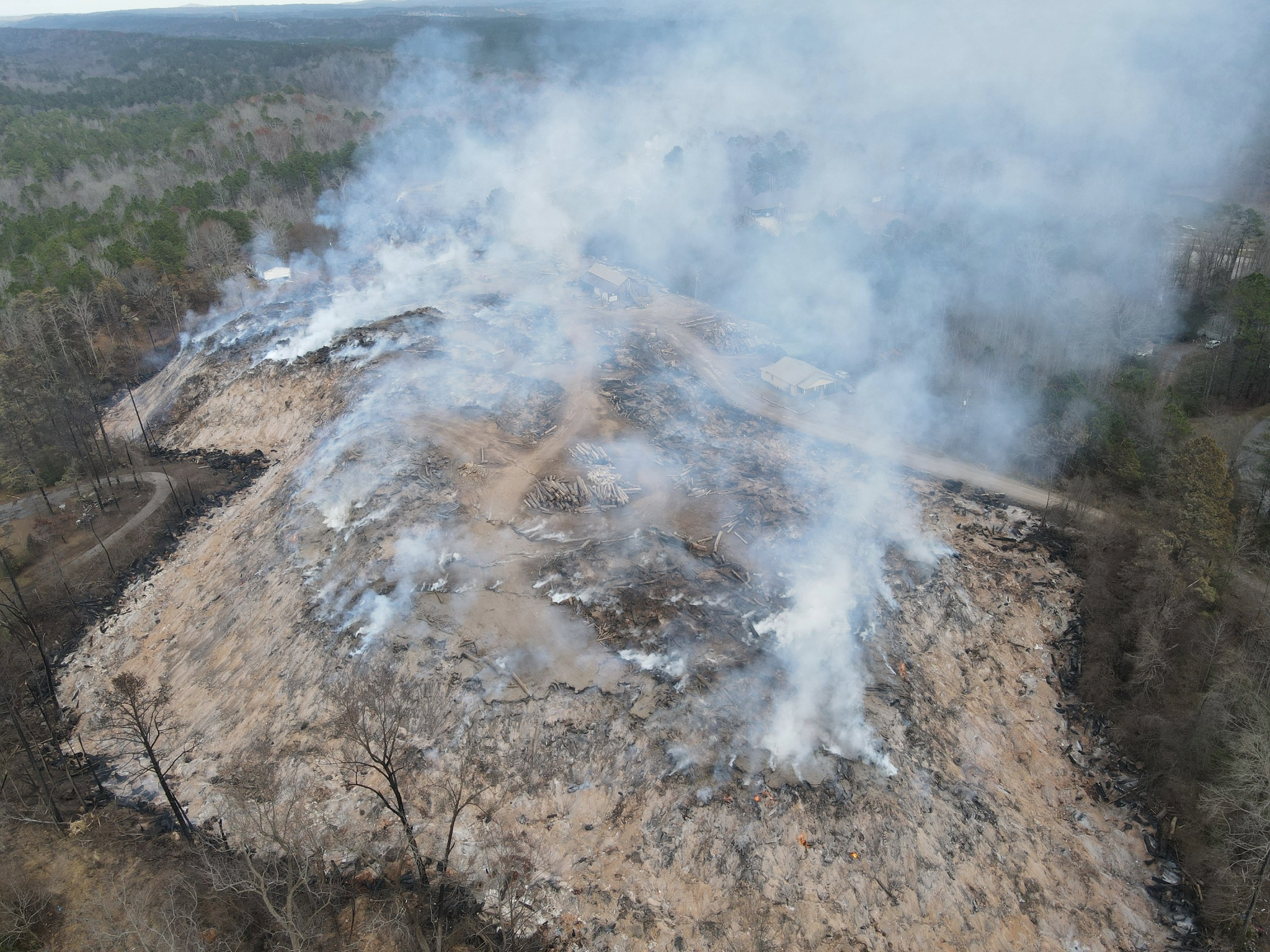
A national investigation by Bloomberg Businessweek and Full Circle Future exposed a dangerous trend: American landfills are operating at temperatures exceeding 170°F. The Elevated Temperatures at Arbor Hills were featured in the Full Circle Future report. These extreme conditions can damage landfill liners, trigger massive slope failures, increase leachate generation, and release airborne carcinogens such as benzene. Conditions similar to those at Arbor Hills have led to subsurface fires with disastrous consequences. The investigation was published in August—this is new information!
EGLE issued a violation in 2019 for Hot Wells at Arbor Hills. We were told the issue was addressed. A multi-year investigation by a local data scientist reveals that the subsurface hazards first flagged by state inspectors in 2019 haven't gone away—they have grown.
As news of the hot landfill breaks, Green for Life (GFL) is pushing Washtenaw County to approve a new landfill. Washtenaw’s Materials Management Planning (MMP) committee will hear a proposal from GFL to build a new landfill on September 9th. The committee is tentatively scheduled to vote on the proposal on December 9th. There is no reason to rush this important decision. There is ample landfill capacity in SE Michigan. A new landfill should not be approved until this information is evaluated.
👉 Explore the Interactive Map Here
**The tool is better viewed on a computer.
The interactive mapping tool tracks two expanding underground thermal clusters at Arbor Hills that are threatening our community:
The Eastern Hot Core: The larger, historically hotter underground hazard.
The Warm Field: A newer thermal pocket expanding aggressively since 2023.
Use the tool to see the number and temperature of the hot wells at various times. Keep in mind the hot, smoldering waste may be 100 feet or more below the surface.
👉 Elevated Temperatures May Damage Landfill Infrastructure
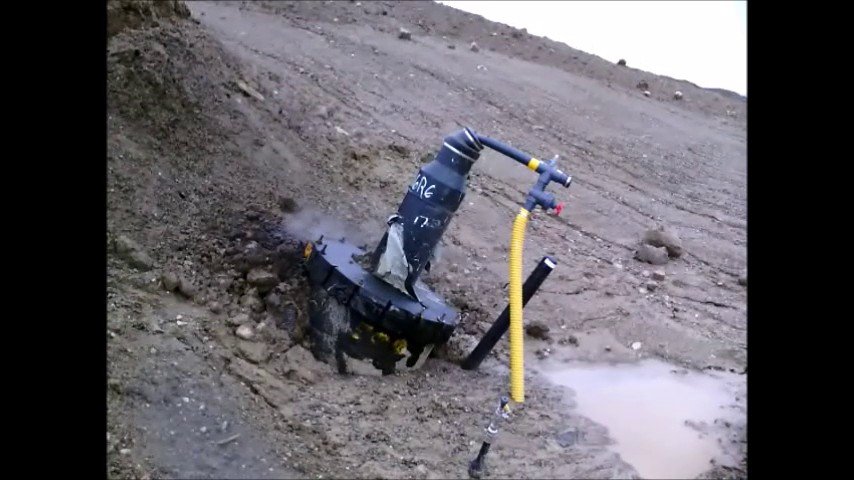
Hot Well - Note the PVC pipe has bent (softened plastic?) 90 degress
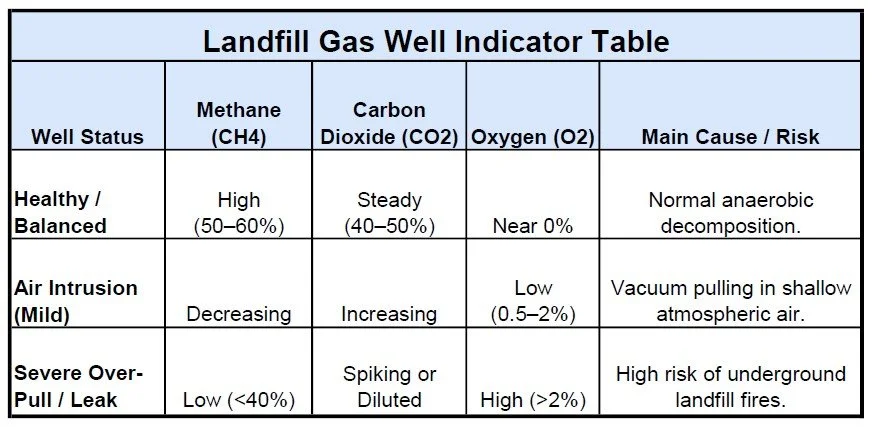
In a properly operating landfill, the waste decomposes without oxygen, producing methane using a process called methanogenesis. This process slows when temperatures reach 131 F and virtually stops at 170 F. Higher temperatures may indicate subsurface oxidation or fire. The elevated temperatures can damage the landfill infrastructure - PVC/HDPE piping, geosynthetic liners, and gas/leachate collection systems can soften or melt. (See the Hot Well photo). Between 2022 and 2024, Arbor Hills was forced to abandon 21 gas wells that failed due to high temperatures and to drill 20 replacement wells.
👉 What is Causing the Elevated Temperatures?
Landfill gas is collected by pulling a vacuum on the 500+ wells. If the operator pulls too hard or the landfill cover is inadequate, oxygen can infiltrate the landfill. As well temperatures increase, the methane levels decrease and oxygen increases. These are indicators that oxidation or combustion/fire may be occurring beneath the surface, where the waste is decomposing. Subsurface landfill fires are dangerous. The Arbor Hills landfill has clear, growing indicators of a potential subsurface fire.
To review the Arbor Hills well temperatures and gas chemistry, please use this interactive tool (best viewed on a computer). The data is public data reported to EGLE by Green for Life.
Washtenaw County Must Deny the Proposed New Landfill
GFL has failed to fix the elevated temperatures identified in 2019, yet they are pushing to build a totally unnecessary new landfill just to the north. Leaving these subsurface reactions unchecked poses catastrophic risks. We have compiled a short summary of catastrophic issues at several US landfills that experience subsurface landfill fires: Shoosmith Landfill (Virginia), Chiquita Canyon (CA), Bridgeton (MO), and Chrin Brothers (PA). The underground fires triggered toxic air emergencies, environmental lawsuits, and multi-million-dollar infrastructure collapses. Washtenaw County must do its due diligence; these disasters and dozens more are easy to research with a “Google Search”. If not corrected, Arbor Hills may suffer a similar outcome.
Big Risk, Small Reward
Michigan has ample landfill space, more than 20 years of capacity, and does not need a new landfill. Arbor Hills only contributes $1 to $1.3 million to Washtenaw annually, less than 1% of the county’s budget. The dangers to our area are far too great:
Health Hazards: Toxic emissions, foul odors, and carcinogens near local neighborhoods and schools.
Financial Ruin: If these reactions cause a total containment failure and GFL declares bankruptcy, taxpayers are trapped with a massive cleanup bill.
EGLE issued a violation in 2019 for Hot Wells at Arbor Hills. We were told the issue was addressed. The data proves otherwise.
Speak Up
Why is Washtenaw County rushing this important decision? There is ample landfill capacity. The Material Management Planning process is designed to be a fluid process - the landfill question can be decided after Arbor Hills demonstrates the dangerously high landfill temperatures are under control.
Washtenaw must deny the proposed new landfill. Approving the new landfill is too large a risk for very little benefit. Demand that the Washtenaw County Commissioners protect our health and finances by denying the proposed new landfill. Use this tool to send a letter to all nine Washtenaw County Commissioners.
GFL is expected to present details about the proposed landfill at the next committee meeting, with a decisive vote on the project slated for December.
Make your voice heard at the upcoming meeting:
Date & Time: Wednesday, September 9th at 10:00 - 11:30 AM
Location: Washtenaw County Learning Resource Center
Address: 4135 Washtenaw Avenue, Ann Arbor, MI 48108
Comments limited to 2 minutes can be made by all attendees